What is an AI app builder, and how do you choose one?
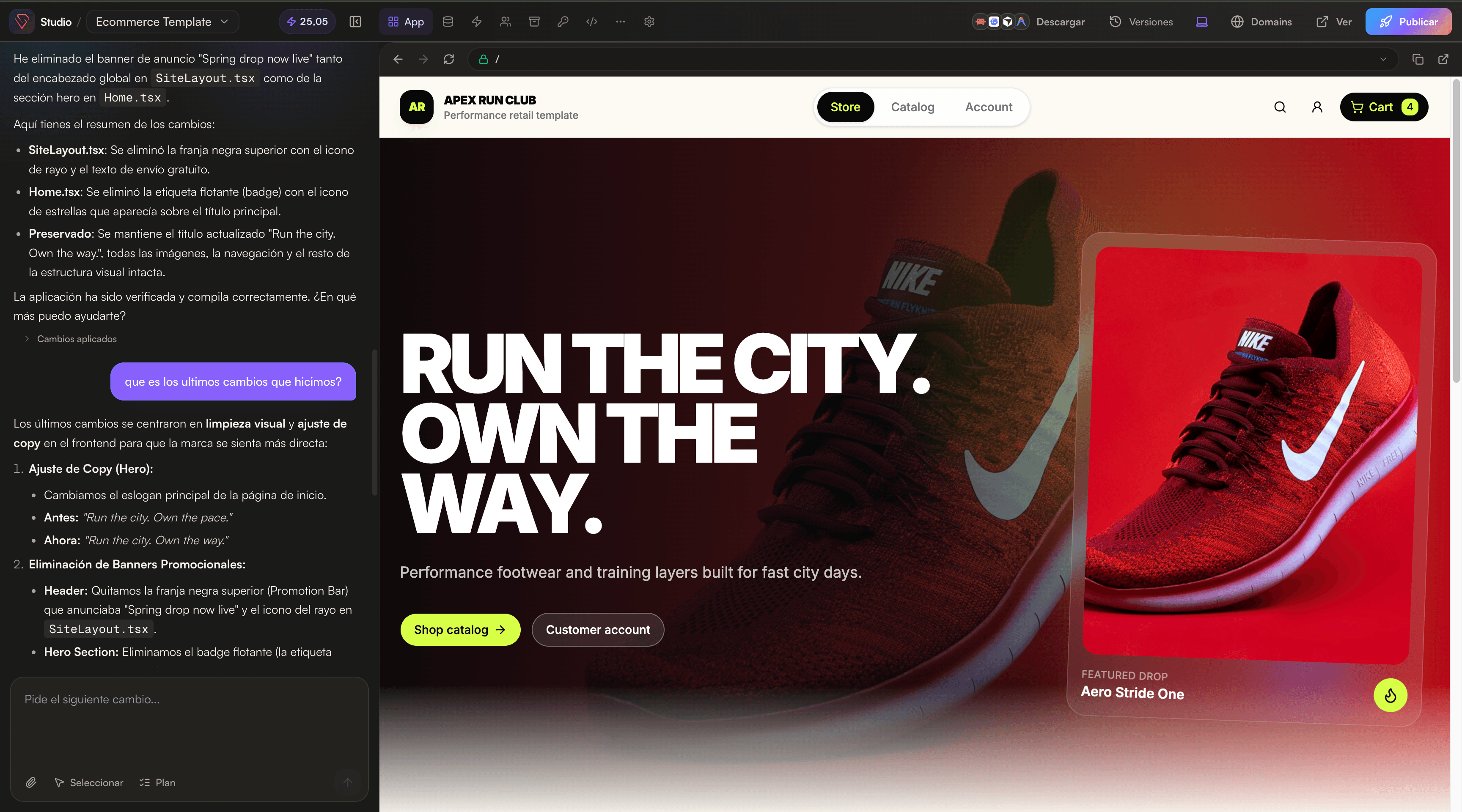
An AI app builder turns a description into working software: screens, code and, depending on the platform, a database, authentication, business logic and deployment. To choose one, check which parts it actually builds, where you edit the result, and how you will operate the app once people use it. The label covers several workflows that are easy to confuse.
Here's the split that actually matters, and where the well-known names — and HeroMate — land on it.
Three lineages, one label
1. No-code app builders
Bubble, Adalo, Glide and similar tools are the oldest lineage here. You build visually — drag components, wire up logic with a visual editor, connect a database through the platform's own admin UI. No code required, ever. In 2026 most of these have added an AI assistant on top that turns a prompt into a starting layout, but the underlying model is still "you operate a visual builder," with AI as an accelerator inside it.
Good fit for: non-technical founders and small teams who want to own the whole build without writing code, and who are fine living inside one platform's ecosystem long-term.
2. Prompt-to-app generators
v0, Bolt.new, and Lovable are the tools most people mean when they say "AI app builder" today. You describe what you want in a chat interface, the tool generates real code, and you keep iterating by describing changes. They differ from each other in real ways:
- v0 (by Vercel) is built around generating React UI components, tuned for the Next.js/Vercel ecosystem.